
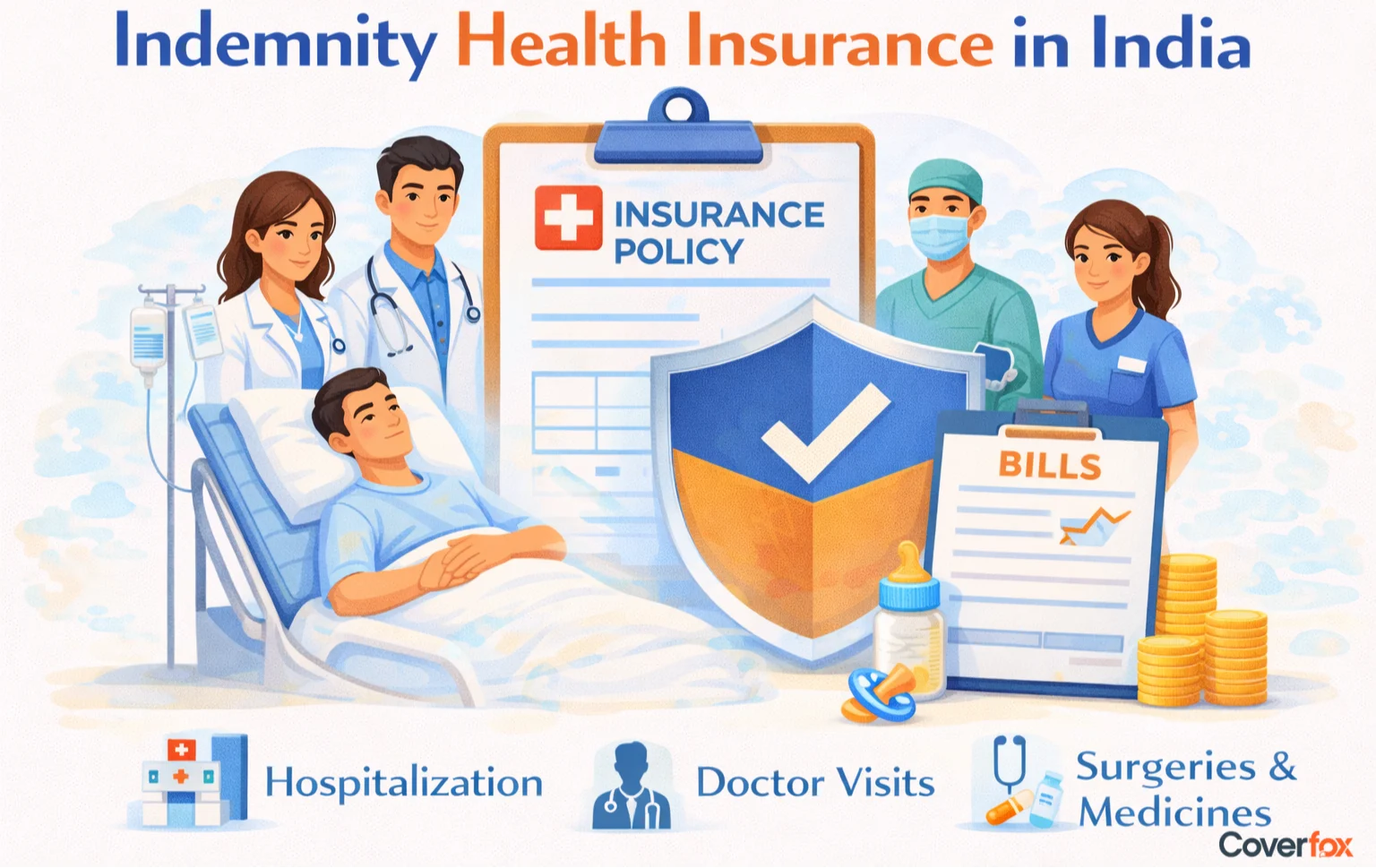
As healthcare costs continue to rise, seniors, retirees, and individuals with pre-existing conditions are facing increasing financial burdens. Even with traditional health insurance like Medicare, many individuals still find themselves responsible for significant out-of-pocket expenses related to hospital stays, treatments, and recovery. Hospital indemnity insurance plans is a solution that can help bridge these gaps, providing financial security and peace of mind. This article explores how hospital indemnity insurance plans are specifically designed to benefit seniors, retirees, and those with pre-existing conditions.
What Is Hospital Indemnity Insurance?
Hospital indemnity insurance is a type of supplemental health insurance designed to provide a fixed, daily cash benefit when a policyholder is hospitalized. Unlike traditional health insurance that typically pays the medical provider directly, hospital indemnity insurance gives policyholders cash benefits that they can use for any purpose, whether for medical expenses, personal bills, or daily living costs. These benefits are often paid directly to the insured, making it a flexible and convenient option.
While hospital indemnity insurance is not a replacement for traditional health insurance, it complements existing coverage by addressing costs that are often left uncovered. This makes it particularly beneficial for seniors, retirees, and individuals with pre-existing conditions who may face higher out-of-pocket expenses during a hospital stay.
How Hospital Indemnity Insurance Helps Seniors and Retirees
For seniors and retirees, managing healthcare costs can be a daunting challenge. Many people in this age group are living on fixed incomes, making it difficult to absorb unexpected medical bills. Hospital indemnity insurance can help alleviate some of this financial strain. Here’s how:
- Supplementing Medicare Gaps: While Medicare covers a substantial portion of hospital and medical expenses, it does not cover everything. Medicare beneficiaries are often left with co-pays, co-insurance, and deductibles, which can add up quickly. Hospital indemnity insurance can provide additional cash benefits to cover these out-of-pocket expenses, ensuring that seniors are not left financially vulnerable.
- Managing Long Hospital Stays: Hospital stays for seniors often last longer due to chronic health conditions or surgeries. Medicare Part A provides coverage for inpatient hospital care, but it has limits. After a certain number of days, the patient may be required to pay significant daily co-pays. Hospital indemnity insurance helps cover these expenses, providing a daily cash benefit to offset the co-pays or additional treatment costs.
- Covering Non-Medical Costs: Seniors may need additional support during a hospital stay that Medicare does not cover. Hospital indemnity insurance offers flexibility in how the cash benefits are used, making it ideal for covering non-medical costs like transportation to the hospital, paying utility bills, or even hiring temporary assistance for household chores.
- Flexibility with Daily Living Expenses: Even after being discharged, seniors may find it challenging to manage daily expenses. Hospital indemnity insurance benefits can be used to help cover living costs, such as groceries, rent, or prescription medications, easing the burden during the recovery period.
Key Benefits of Hospital Indemnity Insurance for Seniors and Those with Pre-Existing Conditions
Hospital indemnity insurance offers a number of benefits, making it a valuable option for seniors, retirees, and individuals with pre-existing conditions. Here are some of the top benefits of these plans:
- Fixed Cash Benefits: The cash benefits are paid directly to the policyholder, allowing them to use the funds however they see fit. Whether it’s for medical expenses, living costs, or non-medical services, the flexibility of the payout provides great peace of mind.
- No Restrictions on Usage: Hospital indemnity insurance is not limited to specific medical expenses. It can be used to cover co-pays, prescriptions, transportation, household bills, or even additional medical treatments outside of your primary coverage.
- Cost-Effective: Hospital indemnity insurance is generally affordable, especially when compared to the high cost of major medical insurance. For seniors on fixed incomes, this makes it an appealing option to help manage unexpected hospital costs without significantly increasing their overall healthcare expenses.
- Immediate Coverage: Unlike some insurance policies that have waiting periods or lengthy claim processes, hospital indemnity insurance often provides quick payouts. This means that policyholders can access cash benefits soon after hospitalization to help with their immediate needs.
- Peace of Mind: With hospital indemnity insurance, individuals can have peace of mind knowing that they have a safety net in place for unexpected medical costs. This reduces financial stress and ensures that healthcare needs are met without relying on savings or going into debt.
How to Choose the Right Hospital Indemnity Insurance Plan
When selecting a hospital indemnity insurance plan, seniors, retirees, and individuals with pre-existing conditions should keep several factors in mind:
- Benefit Amounts: Consider the daily cash benefit offered by the plan. Ensure it’s enough to cover the anticipated out-of-pocket costs, such as hospital co-pays, deductibles, and living expenses.
- Customization Options: Some plans offer additional options for outpatient care, critical illness coverage, or post-hospital recovery. Choose a plan that aligns with your healthcare needs and budget.
- Policy Terms and Coverage: Review the policy’s terms carefully to understand what is and isn’t covered. Make sure the plan provides adequate coverage for both short-term and long-term hospital stays.
- Affordability: Look for a plan that fits within your budget while providing the necessary coverage. Hospital indemnity insurance is often more affordable than other types of insurance, but it’s important to balance coverage with cost.
- Claims Process: Ensure the plan offers a straightforward and quick claims process, allowing you to access benefits with minimal delay when needed.
Conclusion
Hospital indemnity insurance is an essential tool for seniors, retirees, and individuals with pre-existing conditions who are looking to fill the gaps in their healthcare coverage. It offers financial protection by providing a daily cash benefit that can be used for a wide range of expenses, from hospital co-pays to everyday living costs. This flexibility makes it a valuable addition to Medicare or any other primary health insurance plan, ensuring that seniors and those with chronic conditions don’t face financial stress during hospital stays or recovery. By choosing the right hospital indemnity insurance plan, individuals can enjoy the peace of mind that comes with knowing their healthcare costs are covered, without depleting their savings or going into debt.


