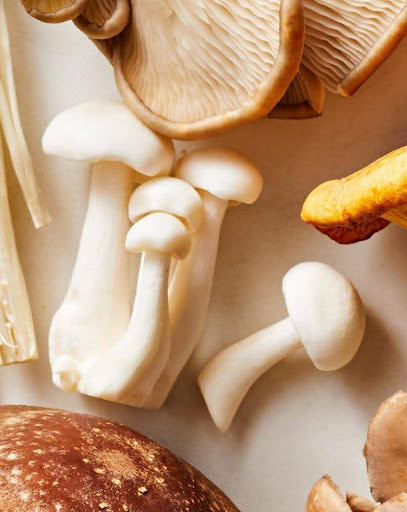
Mushrooms have become a valuable commodity in agriculture, serving as both a nutritious food and a profitable business opportunity. The cultivation techniques used directly influence the mushroom price in local and national markets. Methods like controlled-environment farming, substrate management, and specialty variety cultivation determine yield quality, consistency, and production efficiency. Advanced techniques often lower costs and stabilize prices, while traditional methods may increase them.
For consumers and entrepreneurs alike, understanding these factors ensures informed choices when they buy mushrooms, whether for personal use, culinary purposes, or commercial ventures in the growing mushroom industry.
Controlled Environment Agriculture (CEA) and Automation
One of the most transformative techniques in modern mushroom cultivation is the use of Controlled Environment Agriculture (CEA) and automation. By regulating temperature, humidity, and CO2CO_2CO2 levels, growers can produce mushrooms year-round, avoiding the seasonal fluctuations that often cause unstable variations in the price of mushrooms. For consumers, this means more consistent availability and pricing.
Automation further reduces labor costs by mechanizing tasks such as harvesting, packing, and even robotic picking in some advanced setups. Reduced reliance on manual labor decreases production costs, allowing farmers to offer more competitive mushroom buy options without compromising quality. Additionally, precision farming techniques, such as automated watering and environmental monitoring, optimize yields per square meter. Higher yields lead to lower production costs, which can translate into more affordable prices for end consumers.
Substrate Selection and Management
Substrate selection is a critical factor affecting both production efficiency and market pricing. Mushrooms naturally grow on organic materials, and using agricultural waste such as rice straw, sawdust, or coffee grounds as a substrate provides a sustainable, cost-effective solution. This approach not only reduces input costs for growers but also promotes environmental sustainability. Consequently, mushrooms cultivated on well-managed substrates often carry a more stable price of mushrooms, and consumers have access to affordable buy mushroom options.
The quality of the substrate also plays a vital role. Properly prepared substrates accelerate mycelial growth, resulting in healthier, thicker mushrooms. Premium-quality mushrooms cultivated on carefully managed substrates can command higher prices of mushroom points due to their superior texture and appearance, appealing to both culinary professionals and health-conscious buyers.
Cultivation Techniques for Specific Varieties
Not all mushrooms are created equal. The cultivation techniques used for exotic mushrooms, such as Lion’s Mane, Reishi, or Shiitake, are more technically demanding than those for common button mushrooms. These specialty varieties often require precise environmental conditions, longer growth periods, and careful handling to ensure optimal quality. As a result, the market prices for these mushrooms are higher compared to standard varieties.
Organic mushroom farming also plays a significant role in influencing pricing. Growing mushrooms without synthetic fertilizers or pesticides requires more labor-intensive practices. However, this method appeals to health-conscious consumers willing to pay a premium. By producing organic mushrooms, growers can maintain a higher mushroom price while meeting the demand for safe, chemical-free products. When consumers buy organic varieties of mushrooms, they are often investing in quality, safety, and sustainability.
Post-Harvest Processing and Packaging
How mushrooms are handled after harvest significantly impacts their market value. Advanced post-harvest techniques such as modified atmosphere packaging (MAP) and edible coatings can extend the shelf life of mushrooms. Longer shelf life reduces spoilage and ensures that consumers receive high-quality mushrooms at a stable price. For buyers, these practices mean they can confidently buy mushrooms that remain fresh longer, even when purchased from distant markets.
Value-added processing techniques, such as freeze-drying, canning, and mushroom powder production, allow growers to transform perishable mushrooms into long-lasting products. These processed items can be sold at higher profit margins, particularly during off-season periods when fresh mushrooms may be scarce. Efficient cold-chain logistics further preserve quality during transport, enabling producers to reach wider, higher-paying markets.
Impact on Market Prices
The choice of cultivation technique directly correlates with the price of mushrooms. Controlled environment setups with automation, high-quality substrates, and precise cultivation practices generally lower production costs per unit, which can reduce retail prices. Conversely, manual, labor-intensive methods often lead to a higher price of mushrooms due to lower productivity and inconsistent yields. Specialty mushrooms and organic produce command higher market prices because of their specific cultivation requirements and perceived health benefits.
For buyers, understanding these factors is essential when deciding where and how to buy mushrooms. Farmers investing in advanced cultivation techniques not only improve the quality and consistency of their produce but also stabilize the mushroom price, benefiting the entire supply chain from grower to consumer.
Economic and Sustainability Benefits
Adopting modern cultivation methods benefits both the economy and the environment. Reduced production costs through automation and efficient substrate management can increase profitability for farmers while providing consumers with reasonably priced mushrooms. Using agricultural waste as a substrate supports sustainable practices and reduces environmental impact. Organic and specialty mushrooms cater to niche markets that value health and sustainability, further influencing market prices positively.
By integrating technology and sustainable methods, mushroom growers can create a balance between supply and demand. A stable supply ensures that the price of mushrooms fluctuations are minimized, giving consumers confidence when they buy mushrooms. Moreover, value-added processing and improved logistics expand market reach, making mushrooms accessible to urban and rural consumers alike.
Conclusion
The techniques used in mushroom cultivation have a profound effect on mushroom price and market availability. Controlled environments, substrate selection, specialty cultivation, and post-harvest processing collectively determine production efficiency, product quality, and pricing. Growers who invest in advanced methods not only stabilize prices but also provide high-quality mushrooms that consumers trust and value. Whether for standard button mushrooms, exotic varieties, or organic produce, understanding cultivation techniques is key for both sellers and buyers.
Discover expert guidance and resources for successful mushroom cultivation today. Mushroom Nursery offers comprehensive solutions for aspiring and established mushroom growers. Their services include high-quality mushroom spawn, substrates, training, technical support, and business guidance. By providing these resources, they help growers improve yield, quality, and profitability, ensuring consumers can access consistent, fresh mushrooms and make informed decisions when they buy mushrooms.